














Lucky Mate Casino App Download

In Australia, the Lucky Mate Casino mobile experience covers setup, play, payments, and control tools for legal-age users in 2026.

Fortune Gems 2 Slot

Table of Contents

  • The Dog House Megaways Slot
  • _SEG1__Lucky Joker 10 Extra Gifts Slot
  • _SEG2__Sword of Ares Slot
  • _SEG3__Floating Dragon Hold & Spin Slot
  • _SEG4__Leprechaun Riches Slot
  • Fruit Cocktail Slot
  • The Dog House Megaways Slot
  • _SEG2__Sword of Ares Slot
  • Fruit Million Slot
  • The Dog House Megaways Slot
  • Big Fisherman Slot
  • _SEG1__Big Fisherman Slot
  • _SEG2__Seven Books Unlimited Slot
  • _SEG3__Lucky Mate Casino Fortune Slot
  • _SEG2__Sword of Ares Slot
  • _SEG3__Floating Dragon Hold & Spin Slot
  • _SEG4__9 Mad Hats Slot
  • _SEG3__Floating Dragon Hold & Spin Slot
  • Big Bass Splash Slot
App 1

Using Lucky Mate Casino App On Mobile In Australia

Imagine you are on a short break, phone in one hand, and you just want a game to load without a maze of menus. You open the mobile experience, the lobby appears, and you instantly judge it by one thing: can you reach what you need in under a minute? Most players do the same, even if they never say it out loud.

Lucky Mate Casino is available in Australia for adults and is intended to be used within applicable rules, so you may notice extra prompts around account access and safety settings. Those prompts are not there to “slow you down” as a punishment - they are there to keep ownership and session control consistent. If you complete them carefully once, the rest of your sessions usually feel cleaner.

Mobile is unforgiving when your setup is messy. A weak signal, low storage, or a phone that has been running for days can make any casino feel unstable. The trick is to make your device predictable first, then judge the platform on its real behavior.

What The First Minute Tells You

Picture this: you open the lobby and start scrolling fast because there are too many titles. Two minutes later you are still browsing, slightly annoyed, and you haven’t played anything. That is the moment to stop and use filters or search instead of raw scrolling.

A simple first-minute checklist helps: find games, find cashier, find settings. If you can locate those three areas quickly, you can relax and play like a normal person. If you can’t, slow down and set your limits first, because confusion and fast clicking are a bad combo.

Why Adult-Only Prompts Show Up

Imagine you try to log in while commuting, your signal changes, and a confirmation step appears. You rush it, miss it, and then the system asks again later when you are trying to withdraw. That second prompt feels worse because it hits during a high-stakes moment.

These prompts usually appear when something about your session looks different: new device, new network, or a pattern that doesn’t match your usual rhythm. The calm approach is to treat them like a short checklist, not a fight. Complete the step once, confirm you are back in a normal session, then continue.

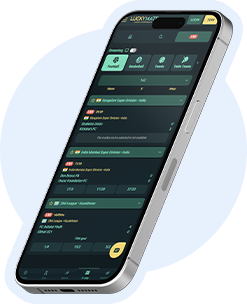
Install And First Launch Without Hassle

Imagine you download the mobile client while your battery is low, storage is nearly full, and notifications keep dragging you away. You open the app, it loads slowly, then refreshes, and you decide it’s “buggy.” Often the app is fine - your phone is just struggling to keep the session stable.

application 2

Before you install, free a bit of storage and close background apps. Restarting the phone can sound silly, but it clears a lot of hidden clutter that causes reload loops and slow menus. If you haven’t restarted in a week, do it once and you’ll notice the difference.

Once installed, do one clean first launch. Let the lobby load fully, then tap around slowly and learn where the core areas live: account, cashier, and history. Players who skip this step end up panicking later, because they can’t find transaction status when they need it most.

Permissions deserve a calm decision. Notifications can help with security prompts and transaction updates, but you don’t need them to reveal details on your lock screen. Picture a notification popping up while you’re in public with more information than you wanted. Adjust privacy settings so alerts stay generic, then you get the benefit without the awkward moments.

Updates matter in 2026 because mobile systems change fast. If you update the app, open it once after updating and confirm the interface still makes sense to you. People often update and immediately try a deposit, then freak out because a menu moved. A thirty-second scan prevents that.

Finally, avoid multitasking during setup. If you switch between apps mid-prompt, screens can refresh and you lose the chain of steps. Set up first, play second.

App 3

Sign-Up And Account Checks For Adults

Imagine you create an account while half watching a show, typing with one hand, and autocorrect “helps” you. Everything looks fine until you need a confirmation message, and it never arrives. That is how people waste an hour on what should have been a five-minute setup.

Do registration in one uninterrupted sitting. Use one device. Finish profile details carefully, then review them once. It’s not about being perfectionist, it’s about avoiding a future mismatch that shows up during withdrawals or password recovery.

Because the platform is intended for legal-age users, you may be asked to confirm ownership details. Treat this as routine adult access. Clear, readable information once is better than three rushed attempts that come back unclear.

After sign-up, locate your safety controls immediately. Players who know where limits and break tools are tend to have smoother sessions, because they don’t rely on willpower when emotions change.

Profile Details That Prevent Delays

Picture the classic mistake: one wrong character in an email address. You request a code, wait, request again, and nothing arrives. You assume the platform is failing, but the message is going to an address that doesn’t exist.

Review contact details once, then set a realistic recovery path you can actually access. If you use a password manager on a private device, update it after the first successful sign-in. Many “login problems” are simply old credentials being auto-filled.

If an ownership check is requested, do it when you are calm, with good lighting and a steady hand. Submitting blurry images at night is the fastest way to create repeat requests.

Payments On Mobile: Deposits, Cashouts, Tracking

Imagine you submit a deposit, a confirmation prompt appears, and you switch apps to answer a message. You return to a refreshed screen and tap submit again because you’re unsure. That uncertainty is where most payment stress begins, not the cashier itself.

The clean routine is simple: one minute of focus, one submission, then a check in transaction history. Don’t guess from the balance. Balance updates can lag. History shows what you asked for and what status it’s in.

Withdrawals feel emotional because they represent results you want to keep. If you refresh the status screen every thirty seconds, anxiety rises and you start changing settings “just in case.” A better approach is structured patience: submit once, check later.

Method consistency reduces surprises. If you regularly switch routes for deposits and withdrawals, you may see extra prompts or longer processing paths. That doesn’t automatically mean something is wrong, but it does add friction. If you want fewer surprises, keep your payment behavior consistent when possible.

Account readiness matters too. Ownership checks are easier when done early, before you urgently want a payout. If you handle confirmations during a calm setup day, cashouts later feel like routine admin, not drama.

Here’s a practical reference that keeps the process clear without using jargon:

Mobile Task

Best Screen To Check

Common Slip-Up

Simple Habit That Helps

Add funds

Cashier and transaction history

Double tapping submit

Submit once, verify in history

Confirm deposit

Status line in history

Watching balance only

Refresh history view

Request payout

Withdrawal area and account settings

Missing ownership steps

Complete checks before requesting

Track payout

Processing or completed status

Cancel and re-send loop

One request, spaced checks

Keep control

Limits and session reminders

Setting limits after tilt

Set limits before play

Cashout Requests Without Refresh Addiction

Picture a player who hits a nice win and immediately requests a payout, then stares at the status screen like it’s a live scoreboard. Every refresh feels like control, but it’s mostly anxiety. The smarter move is to treat it like delivery tracking: submitted, processing, completed.

If a follow-up is needed, contact support with facts, not frustration. Device type, payment method type, current status label, and what you tried. Clear messages shorten the back-and-forth and reduce the chance you’ll be told to repeat steps you already did.

Game Browsing And Session Rhythm

Imagine you open the lobby planning a quick unwind, but you spend most of the time scrolling because every title looks new. You feel behind, then you raise stakes to “make it worth it.” That’s how a simple session turns messy.

A good rhythm starts with one decision: pick a category, then pick a single game and stay with it for a short block. When you stick with one title long enough to feel its pacing, you stop chasing novelty and start enjoying the actual play.

Stake choice should be repeatable. Ask one question before you start: can I place this bet size ten times in a row without flinching? If the answer is no, lower it. This one habit prevents most regret because it keeps your session steady, not emotional.

If you like feature-heavy slots, learn them first. Demo play is your shortcut. You can understand what triggers what without paying “tuition” in real money while you’re confused.

Short Sessions Vs Long Sessions

Picture two players. One has ten minutes, sets a timer, plays one title, and stops on time. The other has ten minutes, browses five minutes, then plays fast and raises stakes because the session feels too short. The second player is more likely to leave annoyed, even if they hit the same results.

Short sessions work best when you reduce decisions. Long sessions work best when you add structure: breaks, check-ins, and a clear stop rule. In both cases, the goal is to prevent drift, because drift is what leads to chasing.

Feature Hunting Without Turning It Into Chasing

Imagine you’re chasing a bonus feature and keep switching games every two minutes, hoping something “pops.” Most of the time you just burn budget while feeling impatient. Feature hunting is better when you commit to one game for a timed block and accept that quiet stretches are part of the design.

Try this: pick one feature-focused slot, set a timer, keep the same stake size, and evaluate at the end. If it felt fun, keep it in your favorites. If it felt tense, drop it without trying to “force a win” to justify the session.

Safety Tools: Limits, Timeouts, Self-Exclusion

Imagine you planned a quick session, then you look up and an hour passed because it was so easy to keep tapping. Mobile makes continuation effortless, which is exactly why limit tools matter. They are your brakes.

Set limits before you play, not after you feel frustrated. Deposit caps and session reminders are most effective when your mood is neutral. If you wait until you’re tilted, you’re asking the emotional part of your brain to make rational decisions, and that rarely ends well.

Timeouts are for short resets when you notice tension: faster taps, impatience, or the urge to raise stakes to recover. Longer self-exclusion is for firm distance when you want it, especially if you recognize a repeated pattern you don’t like.

Privacy supports safety, too. Use a strong lock screen, avoid saving passwords on shared devices, and log out when you finish. These habits prevent accidental access and the stressful “how did that happen?” moments.

Building A Personal Stop Rule

Picture a rule like “I’ll stop after a win.” It sounds good, but it often fails because you don’t know what counts as enough. A better stop rule is behavioral: “If I feel pressure to recover losses, I stop.” Pressure is easy to recognize in real time.

Write your stop rule down somewhere visible. Pair it with a timer so your session ends by plan, not by exhaustion. When your brain is tired, structure beats motivation every time.

Using Timeouts At The Right Moment

Imagine you notice you’re clicking faster, reading less, and thinking about getting back to even. That’s the exact moment a timeout helps, because it breaks the loop before it grows. A short pause resets your decision-making better than “one more spin.”

If you keep returning to the same pattern across days, longer self-exclusion can protect your routine without relying on willpower. Set it while calm and let it do the work.

Support And Troubleshooting In 2026

Imagine you hit a loading loop and immediately try five fixes: reinstall, switch networks, clear cache, change settings, and restart twice. Now you have no idea what helped, and support has no clean story to follow. That’s the slow path.

Troubleshoot with structure: close the app fully, restart the phone, try again on a stable connection. If it’s a login issue, do one clean attempt and use password reset rather than repeated guessing. If it’s a payment issue, check transaction history before you take any new action.

Support works best when you write like a short report. Device type, connection type, the exact step where the problem happens, and the wording of any status message. Keep it factual. Avoid long emotional messages. You’re trying to solve a problem, not win an argument.

Also, don’t keep repeating failed actions while waiting for help. Rapid repeats can trigger extra protective friction, which makes the original issue harder to see.

What To Do When The App Feels Slow

Picture your phone with low storage and battery saver turned on. The lobby loads, but animations lag and screens refresh when you switch tabs. Before blaming the platform, fix the environment: free storage, charge the phone, close background apps, and avoid heavy downloads during play.

If the issue only happens on mobile data, try Wi-Fi for a test session. If it happens everywhere, capture the exact behavior: which screen, which action, what happens next. That clarity makes troubleshooting faster.

Writing A Support Message That Gets Answers

Imagine you send “it doesn’t work” and receive a list of questions. A better message includes the answers upfront: device model type, whether you’re on Wi-Fi or data, what you clicked, what you expected, what you saw, and what the current status says.

Keep it short but specific. Mention two or three steps you tried, not a full timeline of experiments. Then pause and wait for instructions before changing more settings. Clean input leads to clean output.

FAQ

Start by preparing your device: free storage, close background apps, update your system, and restart if it’s been running for days. Imagine installing while your phone is overloaded and then blaming the platform for reload loops. Do one clean first launch, locate settings and transaction history, and adjust notification privacy so alerts don’t reveal details on the lock screen. This setup keeps the rest of your sessions smoother.

Treat deposits as a one-minute focus task with no multitasking. Imagine you see a spinner, get impatient, and tap submit again because you’re unsure it worked. Submit once, then confirm in transaction history rather than guessing from the balance. If anything looks unclear, refresh the history view and wait a moment before taking another action.

Adult-only access can involve ownership checks, especially around payouts. Imagine you request a cashout right after changing profile details or switching payment routes, and a confirmation step appears. Completing checks early reduces surprises later. Submit one clean request, track the status in history, and avoid canceling and resending repeatedly, because that often creates confusion and delays.

Pick a bet size you can repeat calmly many times without flinching. Imagine you raise stakes after a quiet stretch just to force action, then tension rises and you stop enjoying the session. Set a budget and a timer before you start, keep stakes steady, and use a simple stop rule like pausing when you feel pressure to recover losses. Structure prevents emotion from steering decisions.

Reduce variables first. Imagine you’re on mobile data, switching between messages and the game list, and the screen refreshes every time you return. Close the app fully, restart your phone, and try again on a stable connection with fewer background apps. If it repeats across networks, contact support with a short report describing the exact step that triggers the reload.

Use a timeout when you notice speed and tension rising, like faster taps, impatience, or stake jumps to recover losses. Imagine you’re no longer playing for fun, you’re trying to fix results. That’s the cue. Longer self-exclusion fits repeated patterns you want to stop without negotiating later, like late-night sessions that lead to regret. Set it while calm and let it protect your routine.

Share device type, connection type, the exact action that fails, and the wording of any status message you see. Imagine sending a long complaint and still being asked basic questions. A short factual report saves time. Mention what you tried in two or three steps, then stop repeating the same failed action while you wait for guidance.