













Lucky Mate Casino Login Australia Tips

Get into your account fast in Australia - fixes for common sign-in issues, safer session tools, and what to check first in 2026.

Fortune Gems 2 Slot

Table of Contents

  • The Dog House Megaways Slot
  • _SEG1__Lucky Joker 10 Extra Gifts Slot
  • _SEG2__Sword of Ares Slot
  • _SEG3__Floating Dragon Hold & Spin Slot
  • _SEG4__Leprechaun Riches Slot
  • Fruit Cocktail Slot
  • The Dog House Megaways Slot
  • _SEG2__Sword of Ares Slot
  • Fruit Million Slot
  • The Dog House Megaways Slot
  • Big Fisherman Slot
  • _SEG1__Big Fisherman Slot
  • _SEG2__Seven Books Unlimited Slot
  • _SEG3__Lucky Mate Casino Fortune Slot
  • _SEG2__Sword of Ares Slot
  • _SEG3__Floating Dragon Hold & Spin Slot
  • _SEG4__9 Mad Hats Slot
  • _SEG3__Floating Dragon Hold & Spin Slot
  • Big Bass Splash Slot

The Quickest Sign-In Flow For A Normal Evening

Imagine it’s late, you have a short window to play, and the only thing you want is a clean entry without weird loops or missing buttons. Most access problems are not “mysteries” - they’re small mismatches: using the wrong identifier, switching devices mid-step, or trying too many times too quickly. If you follow one steady routine, you usually get in faster and with less stress.
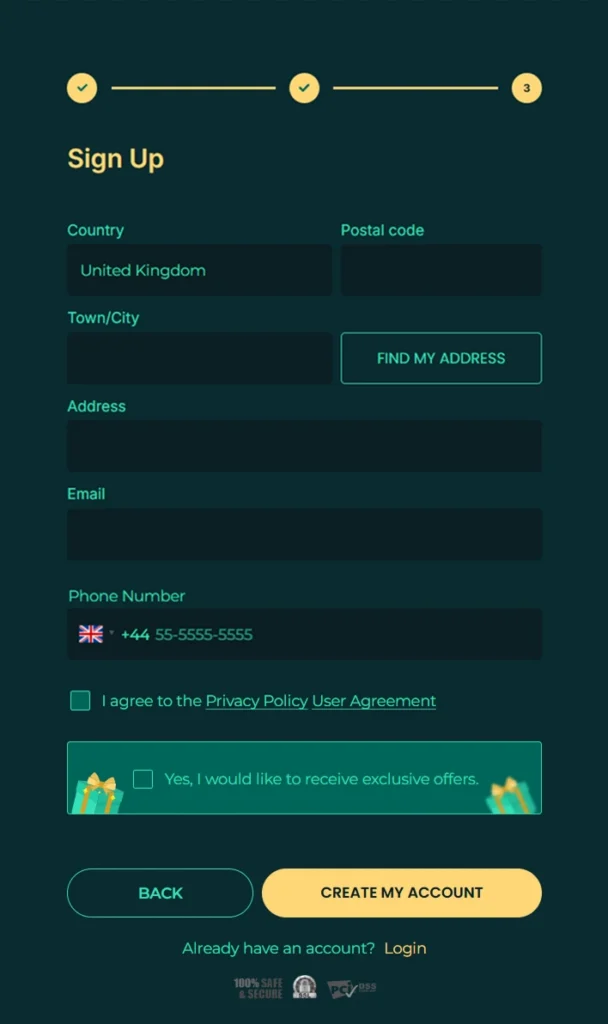
Login 1

Start with a single device and a single connection. Pick Wi-Fi or mobile data and stay with it for the entire sign-in attempt. Players often bounce between networks because it feels proactive, but it can interrupt the security handshake that happens after your credentials are checked.

Next, enter your details slowly once. This sounds obvious, but fatigue makes people misread characters and autocorrect can be sneaky on mobile. If you copy from a note, watch for extra spaces at the start or end, because that tiny mistake can look like a “wrong password” issue.

Then do a quick confirmation check after you’re in. Find your account menu, locate the cashier, and identify where limits and breaks live. Imagine you win quickly and your mood shifts - that’s when having a reminder or cap already set feels like a guardrail instead of a punishment.

Email Vs Phone: Choose One Identifier And Stick To It

Picture yourself registering with an email on day one, then trying your phone number a week later because that’s what you use everywhere else. It’s a common habit and a common reason people think their account “disappeared.” Choose the identifier you used at registration and keep using it until you deliberately change it in your profile settings (if the platform allows that).

If you’re unsure what you used, think like your past self. Did you verify a phone code, or did you click an email confirmation? That clue usually tells you which identifier is linked to the account. Once you guess, don’t try five different combinations in a row - two careful attempts are enough before you move to a reset flow.
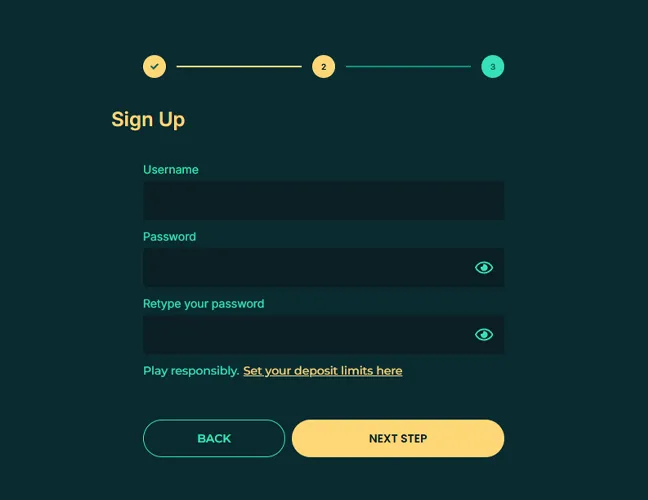
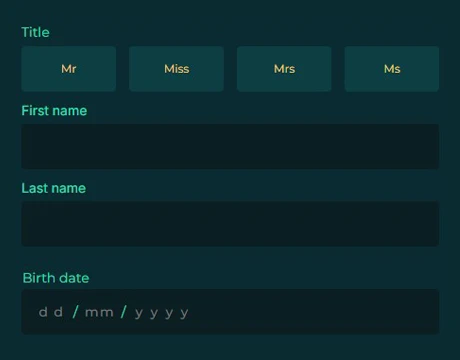
Login 2

Troubleshooting When Access Fails In Australia

Imagine you finally sit down, you enter your details, and the screen either spins forever or kicks you back to the same page. This is where people start panic-clicking, refreshing, and trying “close enough” passwords. The problem is that rapid retries can trigger temporary protections, and now you’re locked out because you were impatient, not because the platform is broken.

Treat troubleshooting like a simple decision tree: is it credentials, is it device/session, or is it an extra security step? Each path has a different fix, and mixing them wastes time.

Also remember the adult-only context. Platforms that aim to follow applicable rules often use layered checks: a credential check, then a session handshake, then sometimes a prompt to confirm it’s really you. Those layers are annoying only when you fight them.

Endless Loading And Session Handshake Issues

Picture this: you enter the right details, but nothing happens, or you get a loop back to the sign-in screen with no clear message. That’s often a session handshake failing, not a password problem. On mobile, battery saver and privacy tools can interrupt background processes. On desktop, multiple tabs or aggressive extensions can break popups or security prompts.

Do a clean restart. Fully close the app (not just minimize it) or close all browser tabs for the platform, then reopen and try once on a stable network. If it works after that, you’ve learned the real cause: the environment, not your credentials.

If the loop repeats, simplify further. Turn off any “auto clean” behavior for the app, avoid switching between Wi-Fi and mobile data mid-attempt, and try again. Imagine you’re trying to board a plane while changing gates every minute - stability is the shortcut.

Wrong Password Loops And A Safe Reset Routine

Imagine you’re tired and you’re convinced the password is correct, but every attempt fails. Before you reset anything, do one slow manual entry. Check keyboard language, caps lock, and whether your password manager is pasting an old version with an invisible space.

If it still fails, use the reset flow once and finish it in one sitting. The most common mistake is requesting multiple codes, then entering the wrong one because you received them out of order. Keep it linear: request the code, enter it promptly, set a new password, then sign in manually one time to confirm it works.

After that, update your saved credentials. Otherwise you’ll keep fighting autofill that’s “helpfully” inserting the old password and you’ll blame yourself again next week.

Security Prompts And Trusted Devices

Picture signing in on your phone at lunch, then trying a tablet at home because the screen is nicer. Many players do this and then get annoyed when they’re asked to confirm access again. That prompt is usually a trust check: new device, new session, confirm ownership.

If you want fewer prompts, pick one primary device for sign-in and cashier actions. Complete any verification step once, then avoid switching devices on the same day if you’re doing anything money-related. The fastest way to trigger extra checks is to hop devices and networks while also resetting passwords.

Staying Stable After You Get In

Imagine you finally reach the lobby, you feel relieved, and you immediately start clicking everything at once: profile settings, promotions, cashier, games. That burst of activity is normal, but it can also create confusion because you won’t remember what you changed when something later looks different. The calmer move is to set up your “home base” first, then play.

Login 3

Start by confirming your profile basics. Check contact details, name formatting, and any adult-only verification steps that are pending. If something is missing, handle it now, not at the moment you want to withdraw.

Next, locate your transaction history. Think of it like a receipt drawer. If a deposit posts, if a payout is pending, if a bonus credit appears, the history is where you get the most reliable snapshot of what actually happened. Players who skip the history rely on memory, and memory is not great when emotions are involved.

Then set at least one control tool. A time reminder is the simplest. Imagine you plan “just a quick session,” then the session stretches because you keep telling yourself you’ll stop after the next round. A reminder forces a pause and gives you a chance to choose rather than drift.

After that, decide your session budget before you open the cashier. If you deposit, deposit once for the session instead of topping up in small bursts. Small top-ups feel harmless, but they make spending harder to track and they keep you in “just one more” mode.

Also be careful with account changes right after signing in. Changing password, switching devices, and changing payment details in the same hour can trigger extra safety checks. It’s not about punishment - it’s a normal pattern that security systems treat as risky.

Finally, keep your first session short when you’re learning the platform. Think of it as a test drive. The goal is not to win big; the goal is to learn where things live: cashier status labels, support contact, limits, and history. When you know those basics, future sessions feel calmer.

Mobile Vs Desktop Access In 2026

Imagine you sign in on desktop with a big screen and everything feels easy, then you switch to mobile and suddenly menus are hidden behind icons. That difference alone causes many “I can’t find it” complaints. The platform may be the same, but your behavior changes when screen size changes.

On desktop, the main risks are browser clutter: too many tabs, too many extensions, and old saved credentials. On mobile, the main risks are device settings: battery saver, privacy cleaners, and unstable connections. If you understand those differences, you troubleshoot faster and you stop blaming yourself for everything.

Also consider where you do sensitive actions. Many players prefer to play on mobile but handle deposits and payouts on a more stable device. That’s not a rule, just a practical habit that reduces friction.

Browser Cache, Autofill, And Extensions

Picture a browser that keeps insisting on an old password even after you changed it. That’s often autofill doing what it thinks is “helpful.” The fix is simple: do one manual sign-in, then update or remove the old saved entry so it stops sabotaging you.

Cache can also cause strange behavior, like a sign-in page that won’t load properly or buttons that don’t respond. If you see visual glitches, clear cache for the platform and restart the browser. Also try disabling extensions that block popups or scripts, at least temporarily, because security prompts sometimes rely on those elements.

And keep tabs under control. If you have three windows open and you sign in on one while the others are still loading, you can create competing sessions. One clean tab is faster than ten noisy ones.

App Settings, Battery Saver, And Network Switching

Imagine your phone aggressively closing background apps to “save battery.” That can interrupt the session handshake right after you enter your details, creating endless loading loops. If you notice this pattern, allow the app to run normally, disable extreme battery restrictions for it, and try again.

Network switching is another silent troublemaker. If you start the sign-in on Wi-Fi and finish it on mobile data, the session can reset. The simple fix is to choose one connection and stay there until you reach the lobby.

If you keep getting prompts every time you open the app, it can be a sign that the device isn’t being remembered as trusted. Keep one device consistent for a while, complete the prompt once, and avoid uninstalling and reinstalling repeatedly, because that can reset trust signals.

Cashier, Limits, And Support Right After Sign-In

Imagine you’ve signed in successfully, you feel relaxed, and then you open the cashier and everything feels tense again because you’re not sure what buttons do what. The trick is to treat the cashier like a tool, not like a casino game. Slow down, read labels, and do actions in a clean order.

Start by understanding what the wallet shows. Many platforms display separate categories like cash funds and promo-related funds. Don’t assume the total number is instantly withdrawable. Read labels first, then act.

If you plan to withdraw later, keep your details consistent and keep your payment route stable where possible. Changing routes at the last second is how people trigger additional checks and then blame “delays.” Stability is the shortcut.

Support becomes useful when you communicate clearly. Imagine sending “it doesn’t work” versus sending “I sign in, get a loading loop after submitting details, and it happens on mobile data only.” The second message gets real help. The first message gets a template reply.

Below is a practical table of “where to look” after you get in, written to help you move quickly without guessing.

Tool Or Area

What You Use It For

When It Helps Most

Simple Habit

Transaction History

Confirm deposits, payouts, and statuses

When something feels stuck or unclear

Note the status text before contacting support

Session Reminders

Force a pause so sessions don’t drift

When you play tired or distracted

Set it before the first game

Deposit Limits

Keep spending within a plan

When you tend to top up repeatedly

Match limits to your entertainment budget

Timeout Options

Take a short break from play

When you notice impulsive re-entry

Use it early, not as a last resort

Support Chat Or Email Form

Solve access or cashier issues

When a message repeats consistently

Send a short timeline, not a complaint

A Simple Support Message That Gets Better Answers

Picture a support agent reading your message in a busy queue. Help them help you. Include the device type, what step failed, what message you saw, and what you already tried. A short timeline like “attempted sign-in at 7:10, looped back to the same page, restarted app, same result” is more useful than a paragraph of frustration.

Also mention any recent changes: password reset, new device, or network switching. Those details often explain the issue immediately. When you keep the conversation factual, you get to solutions faster.

FAQ

Use the reset option once and complete the entire flow in one sitting so you don’t mix up multiple codes. Enter the new password manually the first time to confirm it works, then update any saved autofill entry so your browser or phone doesn’t keep pasting the old one. If the reset code doesn’t arrive, check spam or message filters and avoid requesting repeated codes back-to-back, because older codes can become invalid. When in doubt, wait a minute, request one new code, and proceed calmly.

This often happens when the device is not being remembered as trusted or when phone settings are clearing app data in the background. Battery saver modes, privacy cleaners, and frequent reinstalling can all reset sessions and make prompts appear repeatedly. Stick to one main device for a while, keep one stable connection during sign-in, and allow essential permissions so prompts can complete properly. If you recently switched devices or changed your password, expect extra checks for a short period.

Close the app fully or close extra browser tabs, then try one clean sign-in attempt on a single stable network. Endless loading is often a session handshake issue, so rapid retries and network switching can make it worse by triggering temporary protections. If it repeats, clear cache data and restart, then try again once. If the same message keeps showing, contact support with the exact wording and your timeline so they can investigate the specific step.

Limit yourself to two careful attempts, then switch to a reset flow instead of guessing. Most lockouts happen because people try many variations quickly, which looks like suspicious behavior to safety systems. Type slowly, check keyboard settings, and avoid copy-paste from messy notes that can include hidden spaces. If you think the account is fine but the environment is the problem, restart the app or browser and try once on a stable connection before attempting again.

Set a time reminder and a spending plan before you open a game, then keep stake size steady so your budget remains readable. A short pause after big wins or losses helps prevent impulsive decisions and extended play. If you notice yourself reopening the app without a plan or chasing to “fix” a session, use a timeout or a longer cooling-off break. The goal is to keep play adult-only and intentional, not automatic.

Many platforms separate cash funds from promotional funds, and each category can have different availability rules. Read labels slowly and treat promotional amounts as restricted play credit until the interface clearly shows conversion into cash. Use transaction history as your reference point when something feels unclear, because it provides the most reliable status text. If you contact support, include the exact label names you see rather than describing them vaguely.

Include your device type, whether you are on mobile or desktop, the step that failed, and the exact message you saw on screen. Add what you tried already, such as restarting the app, clearing cache, or switching networks once, plus any recent changes like a password reset or a new device. A short timeline makes it easier for support to identify patterns and avoid generic troubleshooting scripts. Clear, specific information usually gets a faster, more accurate response.